Everything You Need to Know About Total Load Theory
Your Questions, Answered – Clarity for Your Journey!
Ask Patricia Lemer's AI Companion trained on 150+ hours of expert content from ‘Total Load Theory’. Get instant, cited answers to your most pressing questions about neurodevelopmental challenges.
What is Total Load Theory?
Total Load Theory explains that a person’s health, learning, and behavior are influenced by the combined effect of many small stressors, rather than a single cause. When these stressors build up, they can overwhelm the brain and body.
What kinds of stressors are included in Total Load Theory?
Stressors can include nutrition, sleep quality, environmental toxins, emotional stress, sensory challenges, infections, and lifestyle factors. Each one adds to the overall “load.”
How does Total Load Theory relate to children?
Children’s brains and bodies are still developing, making them more sensitive to overload. When their total load is high, it can affect attention, behavior, mood, and learning.
What are signs that a child’s load may be too high?
Common signs include difficulty focusing, emotional regulation challenges, sleep issues, sensory sensitivities, frequent illness, and behavioral struggles.
Can reducing the load really make a difference?
Yes. Many families and professionals observe improvements when stressors are reduced. Even small changes—like better sleep, improved diet, or lowering environmental exposures—can help.
Is Total Load Theory a medical diagnosis?
No. It is a framework for understanding how multiple factors interact. It helps guide a more holistic, whole-person approach to support.
What is the goal of using Total Load Theory?
The goal is to support the whole person by identifying and reducing contributing stressors, helping individuals feel better, function better, and thrive.
Author
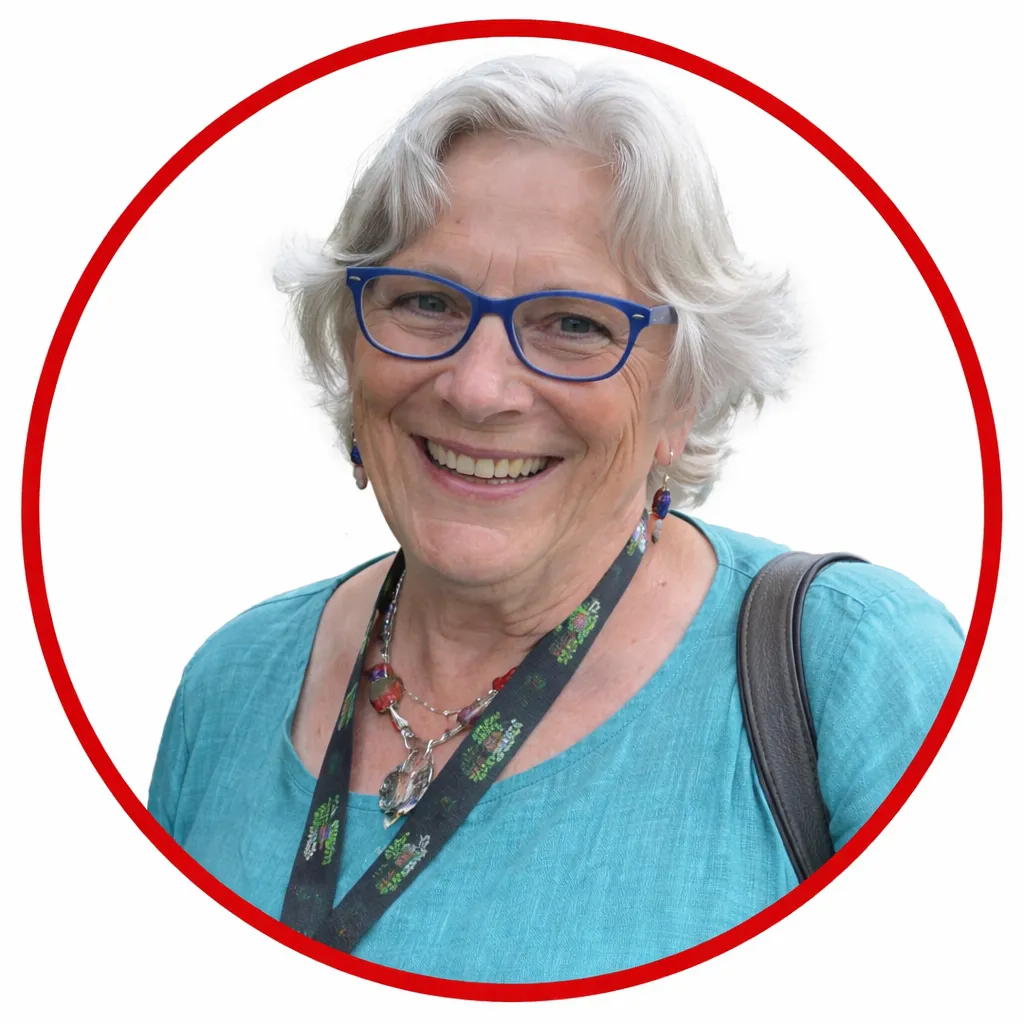
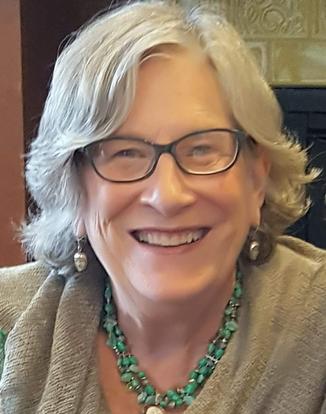
Patricia S. Lemer’s blog post on Total Load Theory explains how a child’s learning, behavior, and health are shaped by the combined impact of many small stressors — not just one single cause. She highlights how factors like nutrition, environment, stress, and sensory challenges can add up to “overload” the brain and body. By understanding and reducing this total load, parents and professionals can better support children’s development, well-being, and ability to thrive.
Total Load Theory shifts the focus from isolated symptoms to the whole person, recognizing that health, learning, and behavior are shaped by the cumulative impact of many small stressors. By identifying and reducing these burdens, families and professionals can support greater resilience, improved functioning, and a higher quality of life.
Quick Links
Contact Us
Legal
© Patricia Lemer. 2026 All Rights Reserved.